- 1404/02/13 برگزاری برنامه ملی توان افزایی برنامه ریزی عملیاتی دانشگاه های علوم پزشکی کشور در کلان منطقه 10
- 1403/12/11 کسب رتبه اول در بخش مقاله فارسی فرهنگستان علوم پزشکی در سال ۱۴۰۳ به خانم دکتر حانیه سادات سجادی هیئت علمی دانشگاه علوم پزشکی تهران تعلق گرفت.
- 1403/05/01 Challenges facing international students at Iranian universities: a cross-sectional survey
- 1403/04/20 انتشار فایل الکترونیک و کتاب روایت پیشرفت
- 1403/04/02 Sustainable political commitment is necessary for institutionalizing community participation in health policy-making: Insights from Iran
- 1403/03/27 Faculty members as academic knowledge brokers in Irans health sector a social network analysis study
- 1403/03/05 Peer interventions to improve HIV testing uptake among immigrants: A realist review
کلیدواژه
https://urdc.tums.ac.ir//کلیدواژه/health_policy-making
کلیدواژه https//urdc.tums.ac.ir//کلیدواژه/کسب_رتبه کلیدواژه https//urdc.tums.ac.ir//کلیدواژه/hiv کلیدواژه https//urdc.tums.ac.ir//کلیدواژه کسب_رتبهمرکز_تحقیق_و_توسعه_سیاست_های_دانشگاهحانیه_سادات_سجادی_هیئت_علمی_دانشگاه_علوم_پزشکی_تهرانبخش_مقاله_فارسی_فرهنگستان_علوم_پزشکیsurgeonrefugeesrealist_reviewplastic_surgerymigrationmedical_studentsknowledge_translationhiv_testinghivhealth_systemhealth_services_administrationhealth_policy-makinghealth_policyfaculty_membersevidence-informed_policymakingemba

Sustainable political commitment is necessary for institutionalizing community participation in health policy-making: Insights from Iran
https://urdc.tums.ac.ir//article/Sustainable-political-commitment-is-necessary-for-institutionalizing-community-participation-in-health-policy–making:-Insights-from-Iran
Background Community participation is currently utilized as a national strategy to promote public health and mitigate health inequalities across the world. While community participation is acknowledged as a civic right in the Constitution of Iran and other related upstream documents, the government has typically failed in translating, integrating and implementing community participation in health system policy. The present study was conducted to determine the level of public voice consideration
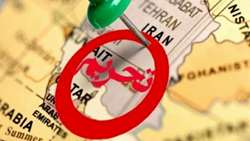
The human cost of economic sanctions and strategies for building health system resilience: A scoping review of studies in Iran
https://urdc.tums.ac.ir//article/The-human-cost-of-economic-sanctions-and-strategies-for-building-health-system-resilience:-A-scoping-review-of-studies-in-Iran
Haniye Sadat Sajadi 1, Faeze Yahyaei 2, Elham Ehsani-Chimeh 3, Reza Majdzadeh 4 Abstract Objectives This review aimed to analyse the impacts of international economic sanctions on the overall health status of Iranians and the health system performance of Iran, in addition to identifying effective strategies for making the health system resilient to sanctions. Study design A scoping review. Methods Three databases and grey literature were reviewed, and additional papers were identified in the lis

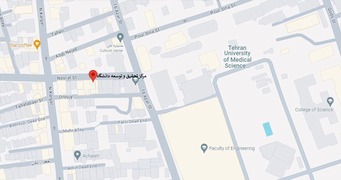
مرکز تحقیق و توسعه سیاستهای دانشگاه
علوم پزشکی، خدمات بهداشتی درمانی تهران
- تلفن : 021-66495859
- فکس : 66495859
- کد پستی : 1417965173
- ایمیل: cahp@tums.ac.ir